
Retirement Survey: Are Americans Ready For Retirement? See How You Compare.

Despite concerns about inflation and overall preparedness, Americans are looking forward to retirement, according to new survey research* we conducted this year.
77% of Americans expressed positive emotions such as happiness (45%) and gratitude (37%) when asked how they feel when they think about retirement, according to the study of 1,000 U.S. adults. For those already in their golden years, 90% don’t regret retiring when they did and 33% say it’s even better than expected.
Key Findings: 2024 Wealth Enhancement Retirement Survey
- 77% of Americans expressed positive emotions when thinking about retirement
- 55% of unretired Americans fear inflation has set back their retirement goals — on average by more than 8 years
- 80% of Americans doubt they’ll have enough to support their ideal retirement
- Only 19% of Americans regularly meet with a financial advisor
- 61% of Americans fear running out of money in retirement
- 90% of retirees do not regret retiring when they did
- Only 35% of working adults feel they have met or are on track to meet their retirement goals
- 25% of Gen Xers have not set any retirement goals
Key Takeaways from the Research Report
- Inflation interruption: 55% of unretired Americans fear inflation has set back their goals, on average by 8+ years.
- Positive sentiment: Despite concerns, most retirees feel happy (60%) and grateful (51%) when reflecting on their retirement. That’s to a greater degree than working adults (40% and 33%, respectively).
- An uncertain future: Eight in 10 Americans doubt they’ll have enough to support their ideal retirement.
Untapped potential: Just 19% of Americans regularly meet with a financial advisor, a key partner in crafting an ideal retirement lifestyle.
What Retirees and Working Adults Want in their Golden Years
Despite near-term concerns, many Americans maintain a positive long-term outlook, with 77% experiencing positive emotions around retirement, including happiness (45%) and gratitude (37%). However, optimism varies by life stage:
- 60% of retirees feel happiness, and 51% are leaning into gratitude.
- 90% of retirees don’t regret retiring when they did. Some 45% say retirement is exactly how they envisioned it, and 33% think it is even better than they expected.
- On the other hand, those who haven’t retired express happiness (40%) and gratitude (33%) less frequently than those already in their golden years.
- Instead, working adults feel more anxious (37%, compared to 16% of retirees) and fearful (26%, compared to 8% of retirees).
- Meanwhile, nearly 7 in 10 Gen Xers (69%) cite negative sentiments like anxiety (39%)—perhaps because among those who have not retired, 25% have not set retirement goals.
“Financial satisfaction can be difficult to find without a comprehensive retirement plan,” says Ayako Yoshioka, Portfolio Consulting Director on Wealth Enhancement’s Investment Management Team. “When considering your golden years, a good plan centers on what you want out of life. First comes the vision, then come the numbers.”
Americans have clear ambitions for their retirement lifestyle, with an emphasis on experiences like traveling (58%) and picking up new hobbies (41%). They also plan to contribute to the greater good, expressing desire to volunteer within their local community (26%) and work part-time on passion projects (22%).
Notably, retirement wishes vary by generation, with Gen Z and Gen X most interested in traveling, Millennials prioritizing time with family, and Baby Boomers planning to rest easy:
Ideal Retirement Activities by Generation
| Generation | Top Retirement Priority | Notable Statistic |
|---|---|---|
| Gen Z | Traveling | Most interested in travel experiences |
| Millennials | Time with family | 37% on target; 5% already met goals |
| Gen X | Traveling | 25% have set no retirement goals; 69% cite negative sentiments |
| Baby Boomers | Rest and relaxation | 22% on track; 14% have hit their goals |

Participant responses to survey question, “Which of the following are part of your ideal retirement? Please select all that apply.”
This underscores how plans can shift by life stage. In fact, for those who haven’t retired, traveling is what people look forward to most (59%), but among retirees, relaxing as much as possible (74%) tops the list.
How to Smooth out Retirement Woes and Create a Lasting Plan
Just 48% of Americans believe they have “done everything right” to prepare for retirement—and even fewer working adults (35%) think they have met or are on track to meet their retirement goals. Instead, 36% feel behind on meeting retirement goals, and another 18% haven’t set any goals at all.
Gender Perspective
Some 3 in 5 Americans (61%) have concerns about running out of money during retirement, a fear more commonly held by women (68%) than men (55%). Meanwhile, only 36% of women (compared to 56% of men) believe they will be able to afford everything they want in retirement. These worries could perhaps be attributed to women typically living longer and earning less than men.
Millennial Mindset
Generationally, Millennials are the most likely to express confidence in their retirement plans, with 37% of Millennials saying they are on target and 5% saying they’ve already met their goals.
Notably, Millennials’ confidence even outpaces Baby Boomers’, with just 22% of Baby Boomers saying they are on track and 14% saying they have hit their goals—making for a total of 35% who feel solid about their retirement plans.
Meanwhile, Gen X feels least prepared with retirement goals, with 25% of Gen Xers saying that they have not set any goals—double the amount of their Millennial counterparts.
“It can be difficult to focus on planning for retirement when other life priorities divert our attention,” Yoshioka says. “However, investing earlier in life can be incredibly valuable, thanks to the potential of compounding returns over decades in the market.”
Unwinding & Defining a ‘Why’ in Retirement
Among those who have retired, respondents readily admit where they fell short: 50% would have saved more money if they could have done things differently, and a quarter of retirees (25%) would have developed a better financial or retirement income plan.
“Regretting the past can be a tough hurdle in money management,” Maier says. “Your mindset is a critical part of financial planning. If you’re newer to retirement planning, you can start the process by considering what you want out of your later years and working backward from there with consistent, dedicated money practices.”
Indeed, Americans aren’t wallowing in worries: 82% are taking steps to feel more confident in their finances, with ongoing actions like setting aside more money each month (32%) and keeping a detailed budget (29%).
Defining a reason “why” can be an important source of inspiration. Among those surveyed, 54% of people who set goals feel that they are doing everything right, while only 22% who have no set goals feel they are on track.
Retirees who made a detailed financial plan considered various aspects, like philanthropy (60%), setting up a trust (63%), as well as more pressing concerns like long-term care (68%) and a will or estate plan (77%).
Still, many U.S. adults are leaving powerful solutions on the table. Just 19% of Americans regularly meet with a financial advisor to discuss their retirement plan.
“A trusted advisor can help you sort through the details of your finances and craft a plan that meets your unique goals and vision for life,” Yoshioka says, “and that starts now.”
Wealth Enhancement advisors work closely with clients to understand their goals and focus on long-term outcomes. Clients’ investment portfolios are designed to withstand market movement driven by macroeconomic factors such as inflation. In seasons of volatility, Wealth Enhancement advisors provide sound, data-backed perspectives to help ease the emotional aspects of investing and maintain the long view with well-crafted, personally tailored plans.
Retirement Survey Sentiment: Optimism Amid Uncertainty

How Retirees and Working Adults Feel About Retirement
| Emotion | Retirees | Working Adults |
|---|---|---|
| Happiness | 60% | 40% |
| Gratitude | 51% | 33% |
| Anxiety | 16% | 37% |
| Fear | 8% | 26% |
How to Prepare for Your Next Step Toward Retirement
The key to retirement planning is to start today. Regardless of how confident you feel about your current level of preparedness, there are specific actions you can take now that can potentially improve your retirement outcomes.
While inflation and healthcare costs vie to take an increasingly larger slice of your retirement portfolio, comprehensive planning can help. Wealth Enhancement advisors are backed by the RoundtableTM Team of financial specialists. Together, our team crafts a comprehensive financial plan that’s uniquely yours, covering every facet of your financial spectrum.
Wealth Enhancement offers complimentary introductory meetings for new clients. If you’re interested in taking the next step toward your retirement, request a meeting today.
Frequently Asked Questions About Retirement Readiness
1. Are most Americans on track for retirement?
According to the 2024 Wealth Enhancement Retirement Lifestyle Study of 1,000 U.S. adults, the answer for most working Americans is no. Only 35% of working adults feel they have met or are on track to meet their retirement goals. A further 36% feel behind, and 18% haven’t set any retirement goals at all. Just 48% of all Americans — retired or not — believe they have “done everything right” to prepare. Source: Wealth Enhancement Retirement Lifestyle Study, Wakefield Research, July 2024, n=1,000.
2. Which generation is most prepared for retirement?
Among working-age generations, Millennials are the most confident in their retirement readiness — 37% say they are on target and 5% say they have already met their goals. Notably, Millennials outpace Baby Boomers, of whom only 22% feel on track and 14% say they have hit their goals. Gen X is the least prepared: 25% of Gen Xers say they have not set any retirement goals at all double the share of their Millennial counterparts. Source: Wealth Enhancement Retirement Lifestyle Study, Wakefield Research, July 2024, n=1,000.
3. How has inflation affected Americans’ retirement plans?
Significantly. According to the survey, 55% of unretired Americans fear that inflation has set back their retirement goals — and among that group, the average perceived setback is more than 8 years. This concern is reflected in broader sentiment: 8 in 10 Americans doubt they will have enough money to support their ideal retirement lifestyle. Source: Wealth Enhancement Retirement Lifestyle Study, Wakefield Research, July 2024, n=1,000.
4. What do retirees wish they had done differently?
Half of retirees (50%) say they would have saved more money if they could go back and do things differently. A quarter (25%) wish they had developed a better financial or retirement income plan. Despite these regrets, the majority of retirees report positive outcomes: 90% do not regret retiring when they did, 45% say retirement is exactly as they envisioned it, and 33% say it is even better than expected. Source: Wealth Enhancement Retirement Lifestyle Study, Wakefield Research, July 2024, n=1,000.
5. How does gender affect retirement confidence and preparedness?
The survey reveals a notable gap. While 61% of Americans overall fear running out of money in retirement, that concern is more acute among women (68%) than men (55%). Only 36% of women believe they will be able to afford everything they want in retirement, compared to 56% of men. These disparities may reflect the compounding effects of women typically living longer and having lower lifetime earnings than men. Source: Wealth Enhancement Retirement Lifestyle Study, Wakefield Research, July 2024, n=1,000.
6. Does setting retirement goals actually make a difference?
Yes — significantly. Among survey respondents, 54% of those who had set retirement goals felt they were doing everything right financially. By contrast, only 22% of those with no set goals felt they were on track. This gap underscores the practical value of defining a retirement “why” — a clear vision of what you want from your later years — before building the financial plan to support it. Source: Wealth Enhancement Retirement Lifestyle Study, Wakefield Research, July 2024, n=1,000.
7. What do Americans most look forward to in retirement?
Traveling tops the list for those who haven’t yet retired (59%), while retirees themselves most commonly prioritize relaxing as much as possible (74%). Looking across generations: Gen Z and Gen X are most excited about travel, Millennials prioritize time with family, and Baby Boomers are focused on rest and relaxation. Beyond leisure, Americans also plan to give back — 26% want to volunteer in their community and 22% plan to work part-time on passion projects. Source: Wealth Enhancement Retirement Lifestyle Study, Wakefield Research, July 2024, n=1,000.
8. How many Americans work with a financial advisor to plan for retirement?
Very few. According to the survey, just 19% of Americans regularly meet with a financial advisor to discuss their retirement plan — despite the clear link between professional planning and retirement confidence. Among retirees who made a detailed financial plan, the majority had considered long-term care (68%), a will or estate plan (77%), trust setup (63%), and philanthropy (60%) — a level of comprehensive planning that is far more achievable with ongoing advisor guidance. Source: Wealth Enhancement Retirement Lifestyle Study, Wakefield Research, July 2024, n=1,000.
*Methodology
The Wealth Enhancement retirement lifestyle study was conducted by Wakefield Research among 1,000 nationally representative U.S. adults ages 18+, in July 2024, using an email invitation and an online survey. Data has been weighted to ensure an accurate representation of nationally representative U.S. adults ages 18+.
#2026-14597
About the author
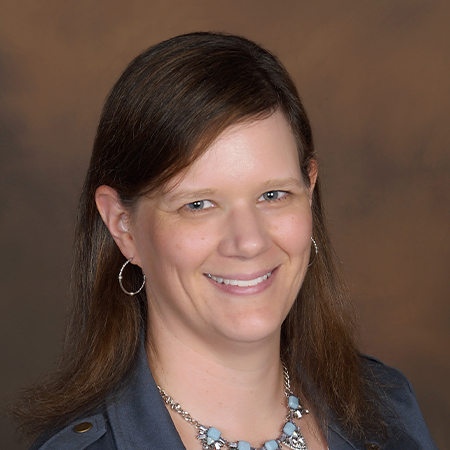
Vice President, Private Client
CFP®, CTFA, J.D.
Kate has been a financial planner at Wealth Enhancement since 2007. Previously, she assisted in the management of trusts and portfolios for high-net-worth clients. She is involved with the Roundtable™ and provides her knowledge to help clients understand the best way to organize…
Related insights


